Felidaecats

Diversity
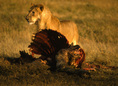
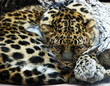
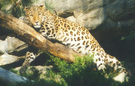
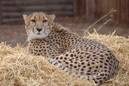
With the exception of Antarctica, Australia, New Zealand, Madagascar, Japan, and most oceanic islands, native populations of cats are found worldwide, and one species, domestic cats, have been introduced nearly everywhere humans currently exist. Although some authorities recognize only a few genera, most accounts of Felidae recognize 18 genera and 36 species. With the exception of the largest cats, most are adept climbers, and many are skilled swimmers. Most felids are solitary. Often, felids are separated into two distinct subgroups, large cats and small cats. Generally, small cats are those that, due to a hardening of the hyoid bone, have an inability to roar. Felidae consists of 2 subfamilies, Pantherinae (e.g., lions and tigers) and Felinae (e.g., bobcats, pumas, and cheetahs). (Clutton-Brock and Wilson, 2001; Denis, 1964; Grzimek, 2003; "2008 IUCN Red List of Threatened Species", 2008; Kelsey-Wood, 1989; O'Brian, 2001; Vaughan, et al., 2000)
Felids are perhaps the most morphologically specialized hunters of all carnivores, often taking prey as large as themselves and occasionally taking prey several times their own size. Unlike other carnivores, felids rely almost exclusively on prey that they have killed themselves. They are agile hunters, hunting mostly at night, with diets consisting of fresh meat or carrion. Felids are found in all terrestrial habitats except treeless tundra and polar ice caps. (Clutton-Brock and Wilson, 2001; Grzimek, 2003; Kelsey-Wood, 1989; O'Brian, 2001; Vaughan, et al., 2000)
The first cat-like mammals appeared around 60 million years ago (MYA) during the Eocene and culminated in the most specialized of the saber-tooths, Barbourofelis fricki. However, the phylogeny of saber-tooths and their ancestors (Nimravidae) is the subject of considerable debate and fossil evidence for these cat-like mammals does not exist after the Miocene. True felids first appeared during the early Oligocene and, although early ancestors of present day felids had short upper canines, felid radiations that occurred during the Miocene and Pliocene, such as Smilodon, appeared to specialize on large herbivores and had large, saber-like upper canines. Early felids were divided into two subfamilies, Machairodontinae (saber-toothed cats) and Felinae (conical-toothed cats). The many genera of saber-toothed cats are divided into three tribes (Metailurini, Homotheriini, and Smilodontini). Living and extinct conical-toothed cats are placed in one subfamily and one tribe, the Felini, but controversy surrounds generic-level classification of felids. Modern cats are closely related to hyenas, mongooses, and civets. These families, including the families Eupleridae and Nandiniidae, are in the suborder Feliformia. (Boorer, 1970; Clutton-Brock and Wilson, 2001; Colby, 1964; O'Brian, 2001; Turner, 1997; UCMP, 2010; Vaughan, et al., 2000)
Geographic Range
Felids are native to every continent except Australia and Antarctica. Excluding domestic and feral cats (Felis catus), which are globally distributed, felids can be found everywhere except Australia, New Zealand, Japan, Madagascar, polar regions, and many isolated oceanic islands. (Denis, 1964; Feldhamer, et al., 1999; Grzimek, 2003; Kelsey-Wood, 1989; Nowell and Jackson, 1996; Vaughan, et al., 2000)
- Biogeographic Regions
- nearctic
- palearctic
- oriental
- ethiopian
- neotropical
- australian
- oceanic islands
- Other Geographic Terms
- holarctic
- cosmopolitan
Habitat
Cats are found in all terrestrial habitats except treeless tundra and polar ice regions. Most species are habitat generalists and can be found in a wide range of environments. However, few have adapted to a limited range of habitats. For example, optimal habitat for sand cats (Felis margarita) consists of sandy and stony deserts. Domestic and feral cats (F. catus) are ubiquitous globally and are especially pervasive in urban and suburban areas. (Grzimek, 2003; Nowell and Jackson, 1996)
- Habitat Regions
- temperate
- tropical
- terrestrial
- Terrestrial Biomes
- taiga
- desert or dune
- savanna or grassland
- chaparral
- forest
- rainforest
- scrub forest
- mountains
- Other Habitat Features
- urban
- suburban
- agricultural
- riparian
Systematic and Taxonomic History
All felids are thought to be ancestors of Proailurus, which first appeared in the early Oligocene. However, significant debate surrounds the phylogeny of felids and, until the fossil record is more complete, any phylogeny is subject to potential change. Although Linnaeus first placed all cats in a single genus and much debate surrounds felid taxonomy, the Felid Taxonomic Advisory Group (TAG) of the American Zoo and Aquarium Association recognizes 3 extant subfamilies, Pantherinae, Felinae, and Felinae. Under this particular classification, Pantherinae consists of 4 genera and 7 species, Felinae consists of 13 genera and 28 species, and Felinae consists of one genera and a single species, cheetahs. However, until a more well-supported systematic and taxonomic history is established, most felid accounts consider 2 subfamilies, Pantherinae, consisting of 6 species in 3 genera, and Felinae, consisting of 30 species in 11 genera, including cheetahs. (Feldhamer, et al., 1999; Grzimek, 2003; UCMP, 2010; Vaughan, et al., 2000)
-
- Synonyms
-
- Neofelidae
- Felinae
- Felini
-
- Synapomorphies
-
- divided bulla
- well developed postorbital process
- short rostrum
- paroccipital process flattened against bulla
- baculum is vestigial or absent

Physical Description
All felids bear a strong resemblance to one another. Unlike members of the family Canidae, felids have a short rostrum and tooth row, which increases bite force. Loss or reduction of cheek teeth is particularly apparent in felids, which have a typical dental formula of 3/3, 1/1, 3/2, 1/1 = 30. In most species, the upper premolar is significantly reduced and in Lynx, has been completely lost. Felids have well developed carnassials. Their cheek teeth are secodont and are specialized for shearing. Felid canines tend to be long and conical and are ideal for puncturing prey tissues with minimal force. Besides having a short rostrum, felids also have large bullae that are divided by a septum; no alisphenoid canal, and paroccipital processes flattened against the bullae. Felids also have a vestigial or absent baculum and retractable claws. Distal segments of digits in the relaxed position are pulled back and up into a sheath by an elastic segment, which prevents claws from becoming blunt. Cheetahs are the exception as they cannot retract their claws and, when attacking prey, they tend to run into them so that they fall, much like canids. Cats have five toes on their forefeet and four on their hindfeet. They are digitigrade, and their metapodials are moderately long but never fused. (Boorer, 1970; Denis, 1964; Grzimek, 2003; Kelsey-Wood, 1989; Turner, 1997; Walker, 1975)


Felids range in body mass from 2 kg in black-footed cats (Felis negripes) to 300 kg in tigers (Panthera tigris), and exhibit sexual dimorphism, with males being larger and more muscular than females. In some species, such as lions (Panthera leo), males may also have ornamentation that is used to attract potential mates. Throughout their range, felid coats are longest where temperatures tend to be coldest (e.g., snow leopards). Felids exhibit a wide range of colors, from black to orange to white, and many species have cryptically colored coats containing rosettes, spots, and stripes that help camouflage them while hunting for prey. While melanistic variants (solid black) are common in many species, completely white individuals tend to be rare. A great deal of color variation can occur within individual species and newborns tend to have different coloration than adults. For example, adult cougars (Puma concolor) rarely have spots while kittens almost always have spots. In general, the ventral surface of felids tends to be pale while the face, tail, and back of the ears often have black or white markings. (Boorer, 1970; Feldhamer, et al., 1999; Grzimek, 2003; Kitchener, 1991)
Felids have a number of morphological adaptations that have allowed them to become the most adept hunters in the order Carnivora. They have digitigrade posture that results in a rapid stride rate and powerful forelimbs that help them capture and retain large prey. Often, felids are cryptically colored, which helps camouflage them while hunting. In addition, most felids have large eyes and exceptional vision. In nocturnal species, the tapetum lucidum helps intensify limited light. Many species also have large semi-rotating ears. Finally, the felid tongue has a sandpaper-like texture due to posteriorly directed papillae on its dorsal surface, which are thought to help retain food in the mouth and remove tissue from the bones of prey. (Boorer, 1970; Denis, 1964; Grzimek, 2003; Kelsey-Wood, 1989; Walker, 1975)
- Other Physical Features
- endothermic
- homoiothermic
- bilateral symmetry
- Sexual Dimorphism
- male larger
- ornamentation
Reproduction
Felids are most often classified as polygynous but can exhibit polygynandrous behavior as well. Estrous lasts from 1 to 21 days and females may have multiple estrous cycles until they become pregnant. Females advertise estrus to potential mates through vocalizations, scent marking, and restlessness. As with most polygynous species, males compete for access to mates via displays and fighting, and successful males court mates through vocalizations and direct physical contact (e.g., rubbing on the female). During courtship, successful males may also approach receptive females with their head lowered. While the act of copulation lasts less than a minute, multiple copulations can occur over a period of several days, which may help induce ovulation. After several days, males may leave in order to find additional estrous females, in which case another male takes his place. (Grzimek, 2003; Kitchener, 1991)
In felids, male territories often encompass those of multiple females (for an exception see Panther leo) and males mate with females that reside within his territory. Most conspecific interactions occur during mating season or as a result of territorial disputes among rival males. Indirect interactions via scent markings or vocalizations help reduce the number of fatal interactions. (Grzimek, 2003; Kitchener, 1991)
- Mating System
- polygynous
- polygynandrous (promiscuous)
The act of copulation is aggressive and brief and may be repeated multiple times an hour for several days. Repeated copulation is thought to induce ovulation in females. Most species are polygynous and polyestrous, with estrous cycles lasting from from 1 to 3 days. Most felids are non-seasonal breeders, but in areas of extreme climatic or prey variability, parturition occurs during the most favorable times of the year. Small-bodied cats tend to have 3 litters per year, while large cats average 1 litter every 18 months. The interval between birthing events may depend on maturation rates of young, body size, food availability, or recent loss of litter. For example, if a female loses her litter, she can come into estrus within a few weeks. Although most litters contain 2 to 4 cubs, females can give birth to as many as 8 cubs in a litter. Gestation lasts from 2 months in small cats to 3 months in lions and tigers. (Grzimek, 2003; Ramel, 2008; Sunquist and Sunquist, 2002)
Felid cubs are born altricial, as newborns are often blind and deaf, rendering them defenseless. Mothers often hide newborns in dens, rock crevices, or tree hollows until they are mobile. Cubs remain with their mother until they can hunt on their own. Weaning begins at the introduction of solid food and ranges in length from 28 days (domestic cats) to 100 days (lions and tigers). Felids reach sexual maturity in less than a year for small cats and up to 2 years for large cats. Typically, cats do not produce their first litter until they have established a home range, which usually does not occur until they are 3 or 4 years of age. Although age of independence is highly variable, many species become independent around 18 months of age. Unlike most felids, lions are very social and females take turns nursing young born to other pride members (i.e., communal nursing) while absent mothers are hunting for food. (Grzimek, 2003; Ramel, 2008; Sunquist and Sunquist, 2002)
- Key Reproductive Features
- iteroparous
- seasonal breeding
- year-round breeding
- gonochoric/gonochoristic/dioecious (sexes separate)
- sexual
- induced ovulation
- viviparous
With the exception of lions, females are the sole caretakers of young felids. Mothers hide their cubs in dens, rock crevices, or tree hollows while they are away hunting and young hide until she returns. Weaning begins at the introduction of solid food, around 28 days in domestic cats (Felis domesticus) and 100 days in lions. Females teach cubs how to stalk, pounce, and kill. Weaning is complete when cubs can eat meat and help hunt for prey. Juvenile felids spend a majority of their time “role playing,” which helps develop important hunting skills. Juveniles are independent once they become competent hunters, though they may remain in their mother’s territory for up to a year before they establish their own. Most felids do not begin reproducing until they have their own territories. Although male lions use infanticide to eliminate unrelated young during pride takeover events, they also provide a significant degree of parental care to their own offspring, protecting cubs while they feed and allowing mothers to rest. (Grzimek, 2003; Patterson, 2007)
- Parental Investment
- altricial
- female parental care
-
pre-hatching/birth
-
provisioning
- female
-
protecting
- female
-
provisioning
-
pre-weaning/fledging
-
provisioning
- female
-
protecting
- female
-
provisioning
-
pre-independence
-
provisioning
- female
-
protecting
- female
-
provisioning
- extended period of juvenile learning
Lifespan/Longevity
Although many cats do not live beyond their first birthday, felid lifespan ranges from 15 to 30 years old. In the wild, juvenile deaths are normally due to predation. In captivity, however, juvenile deaths are often due to stillbirths, cannibalism, maternal neglect, hypothermia, and congenital disorder. (Grzimek, 2003; Ramel, 2008; Sunquist and Sunquist, 2002; Walker, 1975)
Behavior
With the exception of lions (Panthera leo), which form prides, felids are solitary animals that only come together to mate. They tend to hunt at night (for an exception see Acinonyx jubatus) and, although most are primarily nocturnal, activity levels peak during dusk and dawn. Most cats are exceptional climbers and some species are skilled swimmers. When conspecifics meet, their tail posture, position of the ears, and exposure of teeth reveals their level of tolerance. Scent marking, rubbing, and scratching trees are used to mark territorial boundaries and communicate dominance and fertility. (Boorer, 1970; Kelsey-Wood, 1989; Turner, 1997)
Most felids stalk, crouch, wait, and pounce while hunting prey. They avoid long chases typical of canids and are considered ambush predators. Small prey are killed with a specialized bite to the base of the skull, which severs the spinal cord. Large prey are typically killed by suffocation. Prior to eating, some species drag carcass by the nape to a secluded location. Most small cats feed by crouching over their prey without using their paws, whereas large cats eat while lying down. Felids are instinctive hunters and, if given the opportunity, they will kill more prey than they can eat. (Boorer, 1970; Feldhamer, et al., 1999; Grzimek, 2003; Leyhausen, 1979)
- Key Behaviors
- scansorial
- cursorial
- diurnal
- nocturnal
- crepuscular
- motile
- sedentary
- daily torpor
- solitary
- territorial
- social
Communication and Perception
Felids have acute senses of smell, hearing, and sight. In addition to the tapetum lucidum, a layer of reflective tissue in the eye of many vertebrates, felids have a modified pupil that allows for excellent vision in a wide range of environments. The felid pupil consists of a vertical slit that expands in low light conditions and contracts in high light conditions. Felids have relatively large pinnae that can rotate to allow for multidirectional hearing without rotating their head. Well-developed vibrissae, which are located above the eyes, on the muzzle, and on the ventral surface of forepaws between the digits, play an important role in tactile sensory reception. Similar to other carnivores, felids have haptic receptors inside their digits that allows them to sense temperature, pressure, and other stimuli. (Feldhamer, et al., 1999; Grzimek, 2003; Turner, 1997; Vaughan, et al., 2000)
Felids are solitary animals that scent mark territories with facial glands and urine. They also mark territorial boundaries by clawing tree trunks. Like many vertebrates, felids have a vomeronasal organ, or Jacobson's organ, that allows them to detect pheromones. This olfactory sense organ is found at the base of the nasal cavity and plays an important role in conspecific interactions, especially those related to reproduction. For example, after smelling the genital area or urine of a potential mate, males curl their upper lip toward their nostrils (i.e., the Flehmen response). Using the vomeronasal organ, this allows males to assess the mating condition and quality of potential mates. It is thought that input from the vomeronasal organ and the olfactory bulbs significantly contribute to mating activity. (Feldhamer, et al., 1999; Turner, 1997; Vaughan, et al., 2000)
Due to their nocturnal and solitary lifestyles, investigating audible communication in felids has proven difficult. However, the calls of many carnivores are known to signal individual recognition and territorial boundaries. It is thought that by observing domestic cats (Felis catus), one can hear a majority of the sounds made by most felids. They purr, meow, growl, hiss, spit, and scream. The hyoid apparatus of small-bodied cats is hardened, resulting in an inability to roar. Large-bodied cats have the capability to roar, which is thought to serve as a form of long-distance communication. For example, lions typically roar at night to advertise territories. Research suggests that lionesses can identify the sex of a roaring individual and lionesses respond differently to different numbers of roaring individuals. (Feldhamer, et al., 1999; Kitchener, 1991; Packer, 2001; Turner, 1997)
- Other Communication Modes
- pheromones
- scent marks
Food Habits
Morphologically, felids are considered the most specialized of all carnivores in the order Carnivora. They are at top of the food web in most ecosystems, as their diet consists almost entirely of animals. Occasionally, felids ingest grass to help pass fur balls, a by-product of constant grooming. Some genera ingest fruit to help offset water requirements. Felids may eat the viscera (i.e., internal organs) of prey, thus consuming partially digested plant biomass. Although they typically hunt for large prey (e.g., Perissodactyla and Artiodactyla), when the opportunity arises large cats may eat carrion as well. Small cats predominantly prey upon rodents and rabbits or hares. When available, small cats also feed upon reptiles, amphibians, birds, fish, crustaceans, and arthropods. Some species cache food and may drag prey carcasses into nearby trees prior to feeding (e.g., Panthera pardus). Fishing cats and flat-headed cats are unique among felids, as they are especially adapted for preying upon fish and frogs. (Feldhamer, et al., 1999; Grzimek, 2003; Kelsey-Wood, 1989; Vaughan, et al., 2000)
- Foraging Behavior
- stores or caches food
Predation
Felids are typically apex predators (i.e., predators with no predators of their own), but young are vulnerable to predation until they are capable of defending themselves. Many species are cryptically colored, which allows them to remain camouflaged while in their native habitat. Although not an act of predation, many large cats are intolerant of heterospecific felids. For example, lions readily kill leopards, which are known to kill cheetahs. During attempted pride takeovers, male lions commit infanticide as a way of inducing estrus in pride females and eliminating the offspring of rival males. About one quarter of lion cub deaths can be attributed to infanticide, which also occurs in pumas. (Feldhamer, et al., 1999; Sunquist and Sunquist, 2002; Vaughan, et al., 2000)
- Anti-predator Adaptations
- cryptic
Ecosystem Roles
Felids are apex predators that initiate top-down control and are often considered keystone species in their native habitats. Often preying upon the most vulnerable of individuals (e.g., young, old, or ill), felids promote robust prey populations that exhibit decreased vulnerability to disease and prevent overgrazing by large herbivores. For example, evidence suggests that white-tailed deer in Bear Island, Florida avoid forest habitat based on the presence or absence of Florida panthers. However, bobcats, which typically prey upon small mammals, opportunistically prey on deer in open habitat. Thus, in their attempt to avoid one felid predator, white-tailed deer have become increasingly vulnerable to another. (Kelsey-Wood, 1989; Maehr, et al., 2005)
Domestic and wild felids are vulnerable to a large number of endoparasites including flatworms (Platyhelminthes), roundworms (Nematoda), thorny-headed worms (Acanthocephala), tongue worms (Pentastomida), and parasitic protozoa (Apicomplexa). Common felid ectoparasites consist of ticks and mites (Acari), sucking lice (Phthiraptera), fleas (Siphonaptera), mosquitoes (Culicidae), and flies (Diptera). (Millan, et al., 2007; Patton and Rabinowitz, 1994; Patton, et al., 1986)
- Ecosystem Impact
- keystone species
- flatworms (Platyhelminthes)
- thorny-headed worms (Acanthocephala)
- roundworms (Nematoda)
- protozoa (Apicomplexa)
- tongue worms (Pentastomida)
- ticks and mites (Acari)
- sucking lice (Phthiraptera)
- fleas (Siphonaptera)
- mosquitoes (Culicidae)
- flies (Diptera)
Economic Importance for Humans: Positive
Felids were first domesticated in Egypt between 4,000 and 7,000 years ago. Historically, cat pelts served as a symbol of status and power, a trend that continues to this day. In Africa, felids are often hunted for sport (i.e., trophies) and retaliatory killings by livestock farmers are not uncommon. In addition to their pelts, felids are desired for their claws and teeth. Traditional medicines may incorporate felid by-products, although their efficacy is unproven. Although international trade of wild felids and their by-products is illegal, domestic trade continues in some countries. In the ecotourism industry large cats have significant economic value in Africa and India and are sought out by tourists on both national and private reserves. Small cats primarily prey on rodents, hares, and rabbits, which helps control pest populations throughout much of their range. Large cats commonly prey on large herbivores, which reduces competition between livestock and native ungulates. (Grzimek, 2003; Kelsey-Wood, 1989; Vaughan, et al., 2000)
- Positive Impacts
- pet trade
- body parts are source of valuable material
- ecotourism
- controls pest population
Economic Importance for Humans: Negative
Where feral domestic cats have been introduced, the diversity of small vertebrates (such as birds, lizards, and small mammals) has significantly declined. Felids attack and kill livestock, which can result in losses for farmers. Wild cats are capable of transmitting pathogens to domestic cats. Large cats occasionally kill and eat people, though a majority of attacks are often the result of accidental confrontations or involve sick or injured animals. In the Sunderbans of India, the largest contiguous parcel of halophytic forest in the world, tigers (Panthera tigris) kill several dozen people each year. (Grzimek, 2003; Grzimek, 2003; Kelsey-Wood, 1989)
- Negative Impacts
-
injures humans
- bites or stings
- causes or carries domestic animal disease
Conservation Status
Major challenges to felid populations include habitat loss or fragmentation, management of cat-human interactions, the collection and killing of felids for the pet and fashion trades, and disappearance of natural prey. Additionally, reduced population sizes increase vulnerability to extinction due to natural disasters, epidemics, and inbreeding depression. According to the IUCN Redlist of Threatened Species, 29 of the 36 recognized species of felids are currently in decline, and 5 of the remaining 7 species have insufficient population data to determine demographic trends. Iberian lynx (Lynx pardinus) are listed as critically endangered and are one of the most endangered animals on the planet, with a maximum of 143 individuals remaining in 2 separate breeding populations. Including tigers (Panthera tigris) and snow leopards (Panthera uncia), 6 other species are listed as endangered. CITES, which was created in part over concerns that international fur trade would drive many felids to extinction, currently lists 23 species or subspecies under Appendix I, with all remaining species placed under Appendix II. The North American Endangered Species Act lists 8 species or subspecies of North American felids as threatened or endangered, including jaguars (Panthera onca), ocelots (Leopardus pardalis), and panthers (Puma concolor). (CITES, 2010; Grzimek, 2003; IUCN, 2010a; "2008 IUCN Red List of Threatened Species", 2008; Nowell and Jackson, 1996; U. S. Fish and Wildlife Service, 2010)
Currently, conservation efforts are focused on habitat preservation, captive breeding, and reintroductions. Numerous cat species have been reintroduced or translocated throughout parts of their range where they were once extinct. Aside from the reintroduction of European wild cats in Bavaria, Canada lynx in northern New York State, and bobcats to Cumberland Island, Georgia, few reintroductions have been truly successful. The majority of felid reintroductions fail due to a lack of careful planning and execution, which is directly linked to a lack of time and money. In addition, a majority of large cat reintroductions fail because management teams don't take into consideration four important points. First, reintroduction efforts must consider the conditions under which past translocation events were successful, especially the movement of animals into established populations. Second, management teams often fail to appropriately train captive-bred animals to be successful predators in their native habitat. Third, prior to a reintroduction or translocation event it is imperative that the various genetic and morphological differences between different subpopulations are well understood. Finally, the support and receptivity of local human communities must be assessed prior to reintroducing a potentially dangerous predator. Many felid populations are currently in decline largely because of persecution by humans. If felid reintroduction is not supported by local communities, such attempts are likely to fail. (IUCN, 2010b; Nowell and Jackson, 1996)
In 1996, the IUCN published an action plan for the conservation of large cats, which included a list of 105 "priority projects". The "general conservation plan" called for a number actions that were believed to aid in the conservation of all felid species. For example, the establishment of a "cat conservation center" would result in a centralized data management center that would solicit potential donors for funding and help carry out the directives suggested by the conservation action plan as a whole. In addition to a generalized action plan, species specific action plans were formulated for 43 different cat species. Since 1996, the IUCN's Cat Specialist Group has helped launch numerous research efforts aimed at addressing the conservation goals outlined in their 1996 conservation plan. In 2004, the Cat Specialist Group established a "digital cat library" that contains more than 6,000 "papers and reports relevant to the conservation of wild cats", and in 2005 the first captive bred Iberian lynx litter was born, which served as a giant symbolic leap in the long journey of felid conservation. (IUCN, 2010b; Nowell and Jackson, 1996)
-
- IUCN Red List [Link]
- Not Evaluated
Other Comments
Artiodactyls are an important food sources for a number of different carnivores. As artiodactyl populations decline, so too will those animals that depend on them. For example, the decline of cheetahs is often attributed habitat loss. However, cheetahs primarily prey upon small to medium-sized ungulates, such as gazelles. According to the IUCN Red List of Threatened Species, 2 species of gazelle are extinct, while 10 more are listed as vulnerable, endangered, or critically endangered. In north Africa, as preferred prey species have declined, more and more cheetahs are turning to livestock for prey. These cheetahs are then killed as pests. As a result, one of the major directives for felid conservation is restoration of wild prey species. (IUCN, 2010a; IUCN, 2010b; Ray, et al., 2005)
Contributors
Erika Etnyre (author), University of Michigan-Ann Arbor, Jenna Lande (author), University of Michigan-Ann Arbor, Alison Mckenna (author), University of Michigan-Ann Arbor, Phil Myers (editor), University of Michigan-Ann Arbor, John Berini (editor), Animal Diversity Web Staff, Tanya Dewey (editor), University of Michigan-Ann Arbor.
Glossary
- Australian
-
Living in Australia, New Zealand, Tasmania, New Guinea and associated islands.

- Ethiopian
-
living in sub-Saharan Africa (south of 30 degrees north) and Madagascar.
- Nearctic
-
living in the Nearctic biogeographic province, the northern part of the New World. This includes Greenland, the Canadian Arctic islands, and all of the North American as far south as the highlands of central Mexico.
- Neotropical
-
living in the southern part of the New World. In other words, Central and South America.
- Palearctic
-
living in the northern part of the Old World. In otherwords, Europe and Asia and northern Africa.
- acoustic
-
uses sound to communicate
- agricultural
-
living in landscapes dominated by human agriculture.
- altricial
-
young are born in a relatively underdeveloped state; they are unable to feed or care for themselves or locomote independently for a period of time after birth/hatching. In birds, naked and helpless after hatching.
- bilateral symmetry
-
having body symmetry such that the animal can be divided in one plane into two mirror-image halves. Animals with bilateral symmetry have dorsal and ventral sides, as well as anterior and posterior ends. Synapomorphy of the Bilateria.
- bog
-
a wetland area rich in accumulated plant material and with acidic soils surrounding a body of open water. Bogs have a flora dominated by sedges, heaths, and sphagnum.
- carnivore
-
an animal that mainly eats meat
- causes or carries domestic animal disease
-
either directly causes, or indirectly transmits, a disease to a domestic animal
- chaparral
-
Found in coastal areas between 30 and 40 degrees latitude, in areas with a Mediterranean climate. Vegetation is dominated by stands of dense, spiny shrubs with tough (hard or waxy) evergreen leaves. May be maintained by periodic fire. In South America it includes the scrub ecotone between forest and paramo.
- chemical
-
uses smells or other chemicals to communicate
- cosmopolitan
-
having a worldwide distribution. Found on all continents (except maybe Antarctica) and in all biogeographic provinces; or in all the major oceans (Atlantic, Indian, and Pacific.
- crepuscular
-
active at dawn and dusk
- cryptic
-
having markings, coloration, shapes, or other features that cause an animal to be camouflaged in its natural environment; being difficult to see or otherwise detect.
- desert or dunes
-
in deserts low (less than 30 cm per year) and unpredictable rainfall results in landscapes dominated by plants and animals adapted to aridity. Vegetation is typically sparse, though spectacular blooms may occur following rain. Deserts can be cold or warm and daily temperates typically fluctuate. In dune areas vegetation is also sparse and conditions are dry. This is because sand does not hold water well so little is available to plants. In dunes near seas and oceans this is compounded by the influence of salt in the air and soil. Salt limits the ability of plants to take up water through their roots.
- diurnal
-
- active during the day, 2. lasting for one day.
- ecotourism
-
humans benefit economically by promoting tourism that focuses on the appreciation of natural areas or animals. Ecotourism implies that there are existing programs that profit from the appreciation of natural areas or animals.
- endothermic
-
animals that use metabolically generated heat to regulate body temperature independently of ambient temperature. Endothermy is a synapomorphy of the Mammalia, although it may have arisen in a (now extinct) synapsid ancestor; the fossil record does not distinguish these possibilities. Convergent in birds.
- female parental care
-
parental care is carried out by females
- forest
-
forest biomes are dominated by trees, otherwise forest biomes can vary widely in amount of precipitation and seasonality.
- holarctic
-
a distribution that more or less circles the Arctic, so occurring in both the Nearctic and Palearctic biogeographic regions.
Found in northern North America and northern Europe or Asia.
- induced ovulation
-
ovulation is stimulated by the act of copulation (does not occur spontaneously)
- introduced
-
referring to animal species that have been transported to and established populations in regions outside of their natural range, usually through human action.
- iteroparous
-
offspring are produced in more than one group (litters, clutches, etc.) and across multiple seasons (or other periods hospitable to reproduction). Iteroparous animals must, by definition, survive over multiple seasons (or periodic condition changes).
- keystone species
-
a species whose presence or absence strongly affects populations of other species in that area such that the extirpation of the keystone species in an area will result in the ultimate extirpation of many more species in that area (Example: sea otter).
- marsh
-
marshes are wetland areas often dominated by grasses and reeds.
- motile
-
having the capacity to move from one place to another.
- mountains
-
This terrestrial biome includes summits of high mountains, either without vegetation or covered by low, tundra-like vegetation.
- native range
-
the area in which the animal is naturally found, the region in which it is endemic.
- nocturnal
-
active during the night
- oceanic islands
-
islands that are not part of continental shelf areas, they are not, and have never been, connected to a continental land mass, most typically these are volcanic islands.
- oriental
-
found in the oriental region of the world. In other words, India and southeast Asia.
- pet trade
-
the business of buying and selling animals for people to keep in their homes as pets.
- pheromones
-
chemicals released into air or water that are detected by and responded to by other animals of the same species
- piscivore
-
an animal that mainly eats fish
- polygynandrous
-
the kind of polygamy in which a female pairs with several males, each of which also pairs with several different females.
- polygynous
-
having more than one female as a mate at one time
- rainforest
-
rainforests, both temperate and tropical, are dominated by trees often forming a closed canopy with little light reaching the ground. Epiphytes and climbing plants are also abundant. Precipitation is typically not limiting, but may be somewhat seasonal.
- riparian
-
Referring to something living or located adjacent to a waterbody (usually, but not always, a river or stream).
- scavenger
-
an animal that mainly eats dead animals
- scent marks
-
communicates by producing scents from special gland(s) and placing them on a surface whether others can smell or taste them
- scrub forest
-
scrub forests develop in areas that experience dry seasons.
- seasonal breeding
-
breeding is confined to a particular season
- sedentary
-
remains in the same area
- sexual
-
reproduction that includes combining the genetic contribution of two individuals, a male and a female
- sexual ornamentation
-
one of the sexes (usually males) has special physical structures used in courting the other sex or fighting the same sex. For example: antlers, elongated tails, special spurs.
- social
-
associates with others of its species; forms social groups.
- solitary
-
lives alone
- stores or caches food
-
places a food item in a special place to be eaten later. Also called "hoarding"
- suburban
-
living in residential areas on the outskirts of large cities or towns.
- swamp
-
a wetland area that may be permanently or intermittently covered in water, often dominated by woody vegetation.
- tactile
-
uses touch to communicate
- taiga
-
Coniferous or boreal forest, located in a band across northern North America, Europe, and Asia. This terrestrial biome also occurs at high elevations. Long, cold winters and short, wet summers. Few species of trees are present; these are primarily conifers that grow in dense stands with little undergrowth. Some deciduous trees also may be present.
- temperate
-
that region of the Earth between 23.5 degrees North and 60 degrees North (between the Tropic of Cancer and the Arctic Circle) and between 23.5 degrees South and 60 degrees South (between the Tropic of Capricorn and the Antarctic Circle).
- terrestrial
-
Living on the ground.
- territorial
-
defends an area within the home range, occupied by a single animals or group of animals of the same species and held through overt defense, display, or advertisement
- tropical
-
the region of the earth that surrounds the equator, from 23.5 degrees north to 23.5 degrees south.
- tropical savanna and grassland
-
A terrestrial biome. Savannas are grasslands with scattered individual trees that do not form a closed canopy. Extensive savannas are found in parts of subtropical and tropical Africa and South America, and in Australia.
- savanna
-
A grassland with scattered trees or scattered clumps of trees, a type of community intermediate between grassland and forest. See also Tropical savanna and grassland biome.
- temperate grassland
-
A terrestrial biome found in temperate latitudes (>23.5° N or S latitude). Vegetation is made up mostly of grasses, the height and species diversity of which depend largely on the amount of moisture available. Fire and grazing are important in the long-term maintenance of grasslands.
- urban
-
living in cities and large towns, landscapes dominated by human structures and activity.
- visual
-
uses sight to communicate
- viviparous
-
reproduction in which fertilization and development take place within the female body and the developing embryo derives nourishment from the female.
- year-round breeding
-
breeding takes place throughout the year
References
International Union for Conservation of Nature and Natural Resources. 2008. "2008 IUCN Red List of Threatened Species" (On-line). Accessed March 26, 2009 at http://www.iucnredlist.org/search.
110th Congress. Great Cats and Rare Canids Act of 2008: report (to accompany H.R. 1464) (including cost estiimate of the Congressional Budget Office).. 110-657. Washington, D.C: U.S. G.P.O.. 2008.
Boorer, M. 1970. Wild Cats. New York: Grosset & Dunlap.
CITES, 2010. "CITES" (On-line). CITES Species Database. Accessed March 29, 2011 at http://www.cites.org/eng/resources/species.html.
Clutton-Brock, J., D. Wilson. 2001. Cats. Pp. 208-215 in D Burnie, D Wilson, eds. Smithsonian Institution: Animals. New York, NY: DK Publishing.
Colby, C. 1964. Wild Cats. New York: Duell, Sloan, and Pearce.
Davis, J., R. Anderson. 1971. Parasitic Diseases of Wild Animals. Ames, Iowa: The Iowa State University Press.
Denis, A. 1964. Cats of the World. Boston: The Riverside Press Cambridge.
Feldhamer, G., L. Drickamer, S. Vessey, J. Merritt. 1999. Mammalogy: Adaptation, Diversity, and Ecology. Second Edition. Boston, MA: McGraw Hill.
Grzimek, B. 2003. Cats (Felidae). Pp. 369-392 in H Michael, K Devra, G Valerius, M Melissa, eds. Family: Felidae, Vol. 14, 2 Edition. Farmington Hills, Michigan: The Gale Group.
IUCN, 2010. "IUCN SSC/Cat Specialist Group" (On-line). Accessed March 29, 2011 at http://www.catsg.org/catsgportal/20_catsg-website/home/index_en.htm.
IUCN, 2010. "The IUCN Red List of Threatened Species" (On-line). Mammals. Accessed March 29, 2011 at http://www.iucnredlist.org/initiatives/mammals.
Kelsey-Wood, D. 1989. The Atlas of Cats of the World: Domesticated and Wild. Neptune City, NJ: T.F.H. Publications.
Kitchener, A. 1991. The Natural History of the Wild Cats. Ithaca, New York: Comstock Publishing Associates.
Leyhausen, P. 1979. Cat Behavior: The Predatory and Social Behavior of Domestic and Wild Cats. New York and London: Garland STPM Press.
Maehr, D., M. Orlando, J. Cox. 2005. Large carnivores, herbivores, and omnivores in South Florida: an evolutionary approach to conserving landscape and biodiversity. Pp. 293-313 in J Ray, K Redford, R Steneck, J Berger, eds. Large Carnivores and the Conservation of Biodiversity. Washington D. C.: Island Press.
Millan, J., F. Ruiz-Fons, F. Marquez, M. Viota, J. Lopez-Bao, M. Martin-Mateo. 2007. Ectoparasites of the endangered Iberian lynx (Lynx pardinus) and sympatric wild and domestic carnivores in Spain. Medical and Veterinary Entomology, 21: 248-254.
Nowell, K., P. Jackson. 1996. Wild Cats. Cambridge, U.K.: International Union for Conservation of Nature.
Nowell, K., P. Jackson, IUCN/SSC Cat Specialist Group. 1996. Wild Cats: Status Survey and Conservation Action Plan. Gland, Switzerland: International Union for Conservation of Nature and Natural Resources (IUCN).
O'Brian, S. 2001. Cat Family. Pp. 8-39 in D Macdonald, ed. The Encyclopedia of Mammals. Oxford, UK: Andromeda Oxford Limited.
Packer, C. 2001. Why lions roar: long distance vocal communication in African prides. Pp. 16-17 in D Macdonald, ed. The Encyclopedia of Mammals. Oxford, UK: Andromeda Oxford Limited.
Patterson, B. 2007. On the Nature and Significance of Variability in Lions (Panthera leo). Evolutionary Biology, 34: 55-60.
Patton, S., A. Rabinowitz. 1994. Parasites of wild Felidae in Thailand: a coprological survey. Journal of Wildlife Diseases, 30/3: 472-475.
Patton, S., A. Rabinowitz, S. Randolph, S. Johnson. 1986. A coprological survey of parasites of wold neotropical felidae. The Journal of Parasitology, 72/4: 517-520.
Ramel, G. 2008. "The Cats (Family Felidae; Order Carnivora)" (On-line). The Cats. Accessed February 24, 2009 at http://www.earthlife.net/mammals/cats.html.
Ray, J., K. Redford, R. Steneck, J. Berger. 2005. Large Carnivores and the Conservation of Biodiversity. Washington D. C.: Island Press.
Sunquist, M., F. Sunquist. 2002. Wild Cats of the World. Chicago and London: The University of Chicago Press.
Turner, A. 1997. The Big Cats and Their Fossil Relatives: an Illustrated Guide to Their Evolution and Natural History. New York: Columbia University Press.
U. S. Fish and Wildlife Service, 2010. "U. S. Fish and Wildlife Service" (On-line). Endangered Species Program. Accessed March 29, 2011 at http://www.fws.gov/endangered/species/us-species.html.
UCMP, 2010. "Geologic Time Scale" (On-line). University of California Museum of Paleontology (UCMP). Accessed March 20, 2011 at http://www.ucmp.berkeley.edu/education/explorations/tours/geotime/guide/geologictimescale.html.
Vaughan, T., J. Ryan, N. Czaplewski. 2000. Mammalogy. Fourth Edition. Philadelphia, PA: Brooks/Cole-Thomson Learning.
Walker, E. 1975. Mammals of the World. Baltimore and London: The John Hopkins University Press.